vi


Urgent Solutions for Addressing Subsidence and Slope Instability on Mountainous Roads: Lessons from National Highway 15C (Thanh Hoa) and the Takino Technology from Okasan Livic
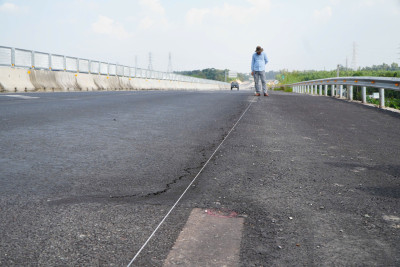
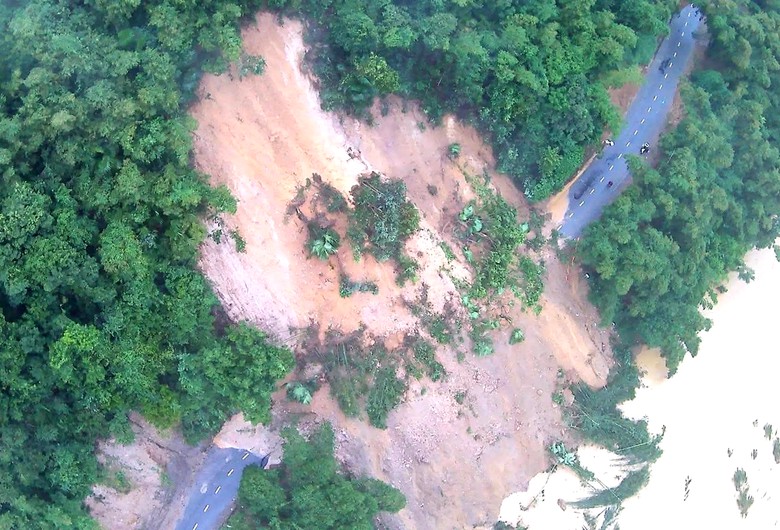
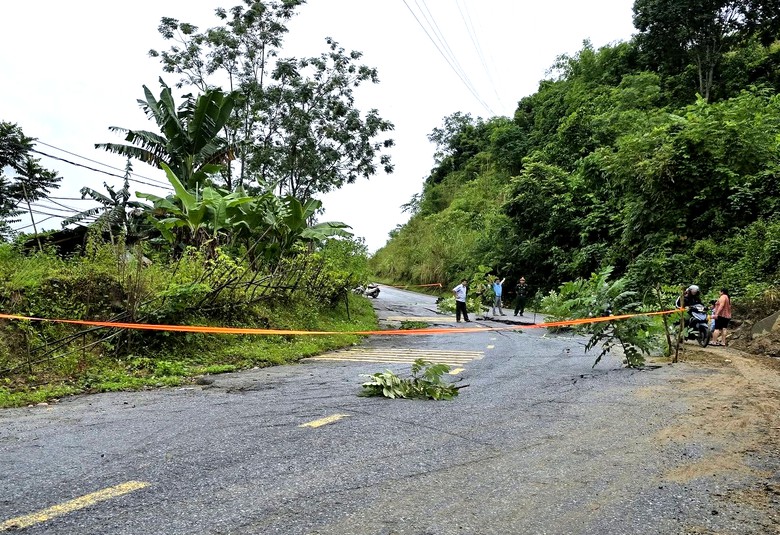
Each year, the rainy and stormy season subjects transport infrastructure in mountainous regions to severe challenges. According to reports from *Bao Xay Dung* (Construction Newspaper), prolonged heavy rainfall has led to critical incidents—such as a 30-meter-long road surface subsidence at Km89+250 on National Highway 15C (passing through Pu Nhi Commune, Thanh Hoa)—as well as numerous rockfalls, landslides, and soil slips along National Highways 217 and 16, and Provincial Road 530B. These events not only cause localized traffic congestion and isolate certain areas, but they also pose a direct threat to the safety of road users and incur significant costs for short-term repairs.
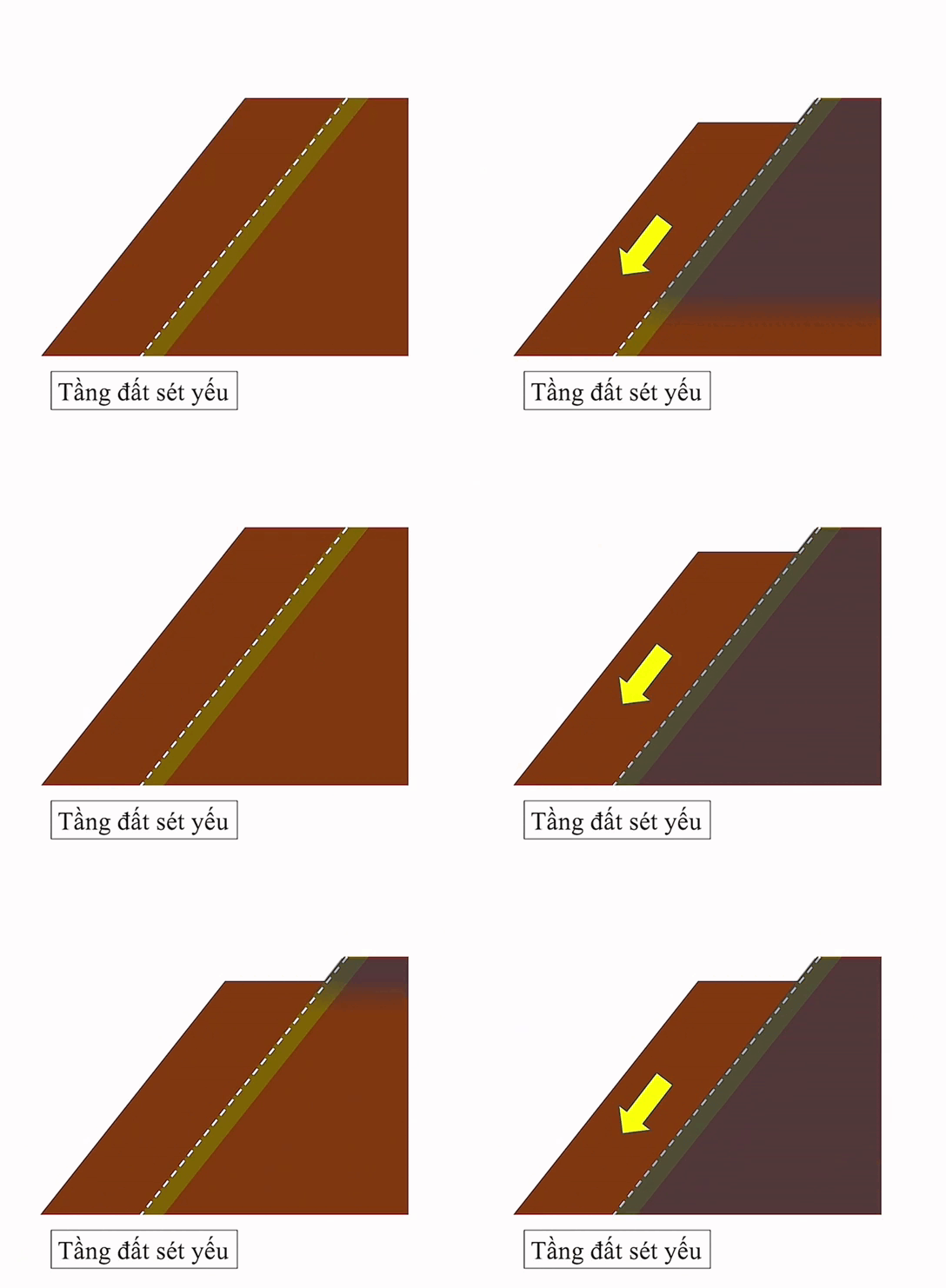
Challenges with Traditional Reinforcement Methods
In steep, mountainous terrain, conventional approaches to addressing landslides or roadbed subsidence typically involve constructing reinforced concrete retaining walls, rubble-stone embankments, or applying shotcrete to slopes. However, these methods present several distinct limitations:
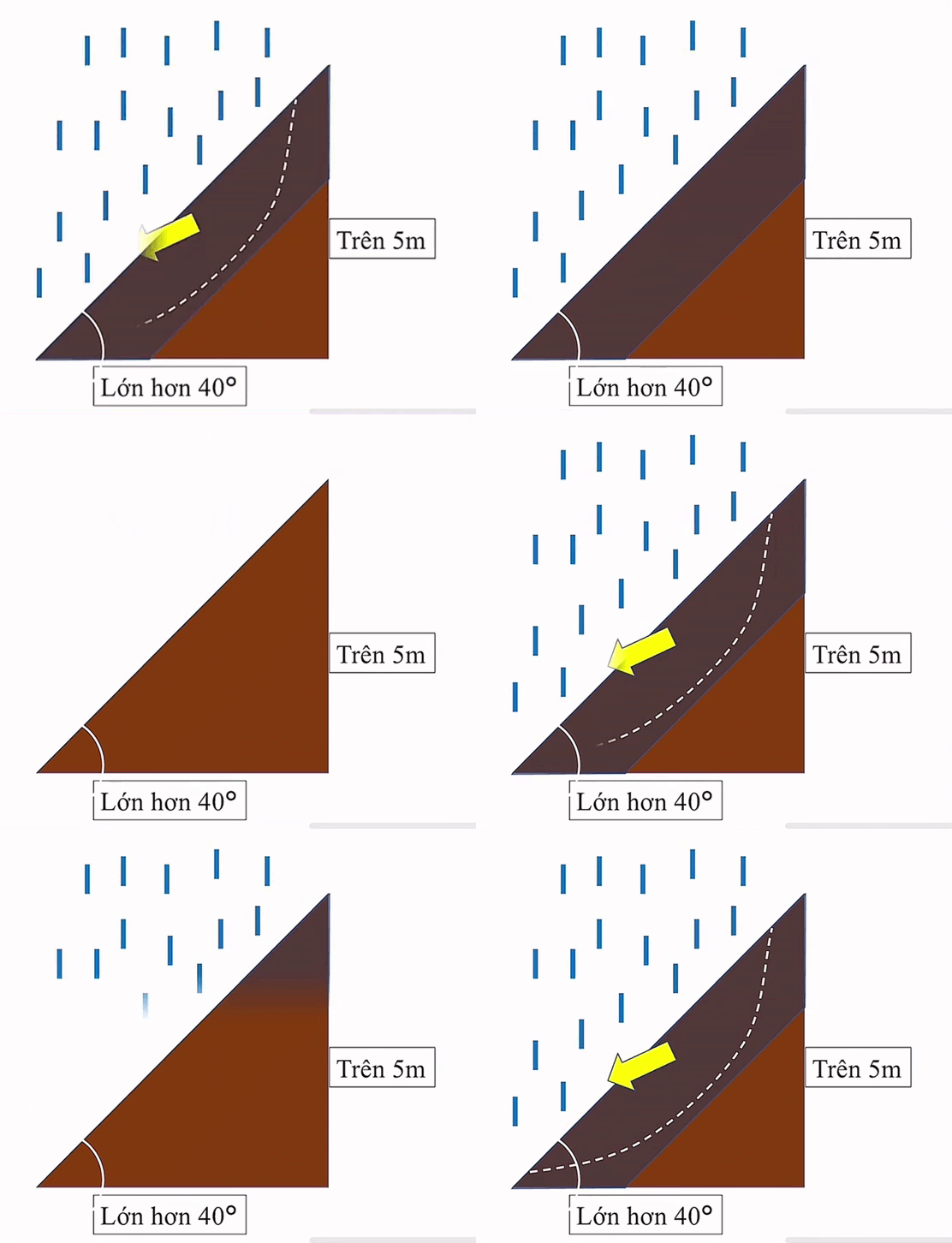
High hydrostatic pressure: Concrete surfaces seal the ground, obstructing natural drainage from the soil behind the structure. This increases pore-water pressure, which can easily trigger sudden collapses during periods of sustained heavy rain.
Construction difficulties in rugged terrain: Transporting large quantities of heavy construction materials—such as stone, cement, and steel—into remote areas or along routes severed by damage (like National Highway 15C) presents immense logistical hurdles.
Negative environmental and landscape impact: Covering hillsides with concrete destroys natural vegetation and diminishes the soil’s long-term biological stability and retention capacity. Takino Slope Protection Technology – A Sustainable Solution from Japan
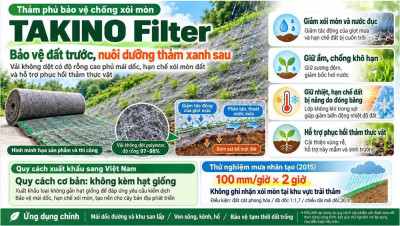
To fundamentally address the challenges of slope stability and erosion control for critical transport infrastructure, Okasan Livic Vietnam introduces an advanced Japanese engineering solution: the Takino slope protection and reinforcement mat (Takino Filter).


- Operating Principles and Key Advantages
Erosion Control and Structural Reinforcement: The Takino mat creates a flexible yet exceptionally durable surface armor. It anchors the topsoil in place, preventing surface runoff from washing away soil and rock during heavy rainfall.
Intelligent Drainage Mechanism: Unlike rigid concrete surfaces, the mat’s structure allows groundwater to permeate and drain gradually. This eliminates pore-water pressure—the primary culprit behind roadbed subsidence and slope failure.
Ecosystem Restoration (Greening): The mat is designed to facilitate the growth of grass seeds and native vegetation through its mesh structure. Over time, plant roots intertwine with the soil, forming a robust, natural anchoring system.
Rapid Installation and Optimized Logistics: Supplied in flexible rolls or sheets, the lightweight material can be easily transported—manually or via small machinery—to rugged, isolated terrain inaccessible to heavy transport vehicles. This significantly accelerates emergency route restoration following natural disasters. Towards Safe and Sustainable Transport Infrastructure in Vietnam
The subsidence incident on National Highway 15C (Thanh Hoa) serves as yet another wake-up call regarding the critical need for rigorous planning, geological assessment, and the application of advanced engineering materials in disaster prevention and road maintenance.
Shifting from traditional "hard" infrastructure solutions toward eco-friendly, high-tech alternatives—such as Takino slope protection systems—offers a key strategy for project owners, road management authorities, and construction contractors. This approach helps optimize project life-cycle costs, ensures uninterrupted traffic flow, and promotes long-term environmental sustainability.